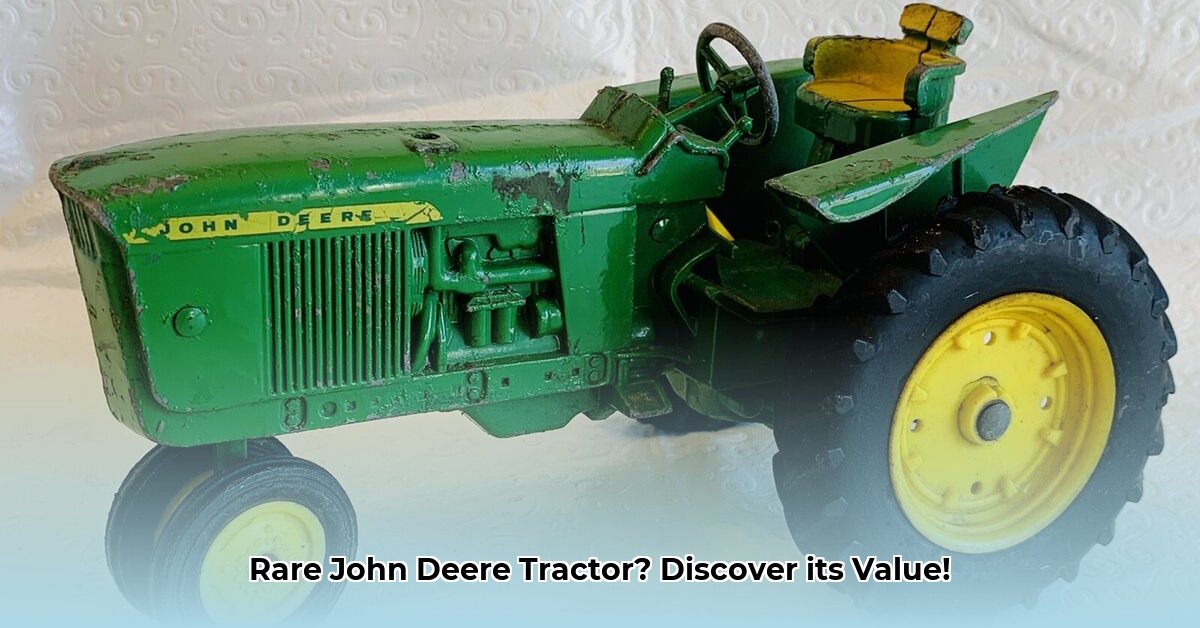
Finding a dusty, forgotten John Deere toy tractor in a dusty attic or at a flea market can be more exciting than you think. These aren't just childhood playthings; they're miniature pieces of Americana, holding surprising value for collectors. This guide will equip you with the knowledge to identify authentic vintage pieces, determine their worth, and build (or sell) a profitable collection. For other brands, check out this guide to New Holland toy tractors.
Identifying Authentic Vintage Tractors: A Step-by-Step Guide
Distinguishing genuine vintage John Deere tractors from modern reproductions requires a keen eye for detail. Here's how to become an expert:
Analyze the Casting: Vintage tractors, often cast using sand molds, typically exhibit a less uniform, more textured surface compared to the smoother finish of mass-produced modern reproductions. Look for subtle inconsistencies—minor imperfections and rough edges. Think of it as the difference between hand-crafted and machine-made. Are there any discernible air bubbles or pitting? This is a common characteristic of vintage casting techniques.
Scrutinize the Paint: Original paint is crucial. Vintage tractors often display thicker, oil-based enamel paint that ages uniquely, often showing some chipping and a darker patina. This natural wear actually adds value, unlike the more uniformly chipped paint often found on modern reproductions. The rich depth of original enamel paint is also a key identifier.
Inspect the Seams: Examine the seams where different parts of the tractor are joined. Vintage pieces often have neater, more precisely finished seams, while reproductions may display rougher, less refined joins. These subtle differences are important clues.
The Magnet Test: A Simple but Effective Tool: Most genuine cast iron tractors are magnetic and will readily stick to a magnet. Areas that don't attract a magnet might indicate repairs using non-magnetic materials, suggesting a replica or a heavily repaired piece. However, this does not automatically disqualify a tractor as authentic– always inspect the other criteria.
Comparative Analysis: Leverage Online Resources: Use high-quality images of known authentic vintage tractors from reputable online sources and auction sites for direct comparison. Pay close attention to the smallest details—these subtle differences can be very telling. This side-by-side comparison is invaluable.
Determining Value: A Collector's Perspective
While precise pricing is impossible, several factors significantly influence a metal John Deere toy tractor's value:
Condition: A tractor in pristine condition, carefully preserved or expertly restored, commands a significantly higher price than one showing heavy wear, rust, or damage. Think "mint condition" versus "well-used."
Rarity: Certain models are more sought-after than others. The Ertl John Deere 430, for instance, is a highly coveted model among collectors due to its design and the reputation of Ertl. Rarity directly impacts value.
Manufacturer: The manufacturer's reputation also affects value. Some manufacturers are recognized for higher-quality castings and more intricate craftsmanship, driving up collector demand.
Market Research: Analyze completed (sold) listings on online marketplaces like eBay to gain a realistic understanding of current market values for comparable tractors. This research is essential for informed buying and selling decisions. Remember to consider the condition of each sold tractor.
Building (or Selling) Your Collection: A Strategic Approach
Whether you're building a collection or selling off pieces, a strategic approach is essential:
For Buyers:
- Thorough Research: Invest time researching specific models and manufacturers, using sold listings as price guides.
- Smart Acquisition: Buy from reputable sources - established online marketplaces, well-regarded auctions, or trusted dealers to minimize risk.
- Strategic Pricing: Use your research to set realistic purchase prices, avoiding overpaying for common models.
For Sellers:
- Detailed Descriptions & High-Quality Photos: Create comprehensive descriptions highlighting your tractor's unique features and condition, and use very high-quality and well-lit photos.
- Competitive Pricing: Use comparable sold listings to price your tractors competitively, factoring in rarity and condition.
- Reputable Platforms: Choose reputable online marketplaces or explore specialized toy tractor auctions and dealers.
Key Takeaways:
- Age, condition, and rarity are paramount in determining value.
- Authenticating vintage pieces requires meticulous examination of materials, manufacturing, and paint.
- Specific manufacturers influence collector demand and pricing.
- Online resources and collector communities are invaluable tools.
- Careful research and trusted sellers are key to avoiding counterfeit purchases.
Remember that the journey of collecting metal John Deere toy tractors is as rewarding as the destination. Happy hunting!